

Choosing between a portable mesh vs compressor nebulizer pakistan is a decision every family with asthma or seasonal allergies faces when winter smog arrives. Anyone who has lived through November in Lahore, Faisalabad, or Karachi knows that familiar sound: chest tightness, dry nocturnal coughing, and that sudden midnight rush to find the inhaler machine.
📑 Table of Contents
- Quick Comparison: Mesh vs. Compressor Nebulizers
- Portable Mesh vs Compressor Nebulizer in Pakistan: How They Work
- The Decibel Factor: Silent Nights vs. Noisy Engines
- Particle Size (MMAD): Deep Pulmonary Penetration
- Load-Shedding & Travel: Battery Backup Advantage
- Cleaning and Mesh Care Best Practices
- Final Buying Verdict for Pakistan
- Frequently Asked Questions (FAQs)

For decades, the heavy, vibrating table-top compressor machine was the only option. But now that modern vibrating mesh nebulizers fit right into your palm, which one actually delivers medication deeper into your lungs? Let’s break down the technical differences, sound levels, and prices so you can choose the ideal machine for your household.
Quick Comparison: Mesh vs. Compressor Nebulizers
To help you decide quickly, here is how both respiratory systems compare across vital clinical and lifestyle metrics:
| Comparison Factor | Compressor Nebulizer | Portable Mesh Nebulizer |
|---|---|---|
| Mechanism | Piston air compressor pump | Micro-vibrating titanium mesh |
| Sound Level | Loud motor hum (60–65 dB) | Whisper-quiet (< 25 dB) |
| Particle Size (MMAD) | 3.5 to 5.0 μm | 2.5 to 3.5 μm (Finer mist) |
| Power Source | AC 220V wall outlet only | AA Batteries + USB Power Bank |
| Weight | 1.2 to 1.8 kg (Heavy desk unit) | Under 100 grams (Pocket-sized) |
| Price Range in Pakistan | PKR 4,500 – 7,500 | PKR 3,800 – 5,500 |
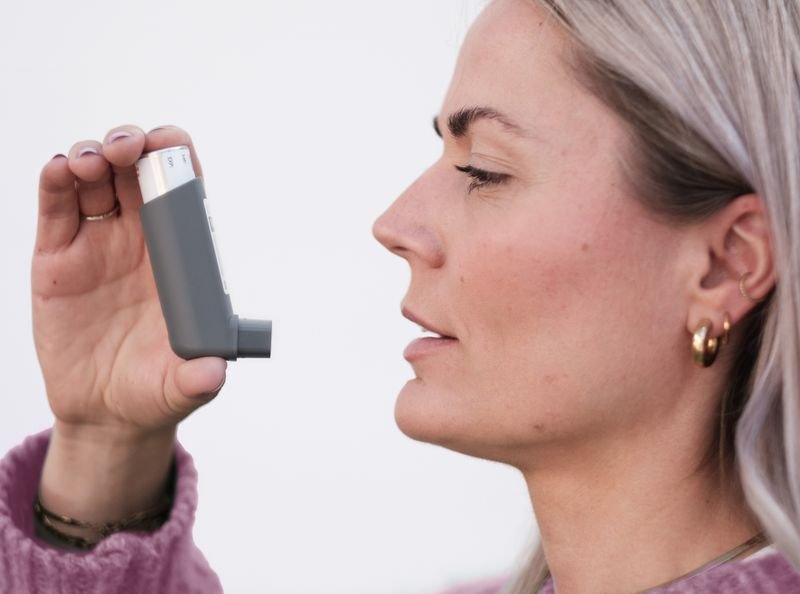
Portable Mesh vs Compressor Nebulizer in Pakistan: How They Work
The core portable mesh vs compressor nebulizer pakistan debate centers on how liquid bronchodilators (such as Salbutamol or Ventolin) are converted into breathable aerosols. According to clinical aerosol guidelines by the American Lung Association (ALA), smaller aerosol particles penetrate significantly deeper into the bronchial tree.
Traditional compressor machines use a high-velocity jet of pressurized air to smash medication against a baffle. In contrast, portable mesh units push liquid through thousands of laser-drilled micro-holes vibrating at ultrasonic frequencies (over 100 kHz), producing an exceptionally fine and consistent cloud of mist.
The Decibel Factor: Silent Nights vs. Noisy Engines
If you have ever tried nebulizing a sick, irritable toddler at 2:00 AM, you know the terror of turning on an old compressor machine. The loud, rattling drone (often exceeding 65 dB) can frighten infants, leading to crying fits that cause shallow, rapid breathing and poor medication uptake.
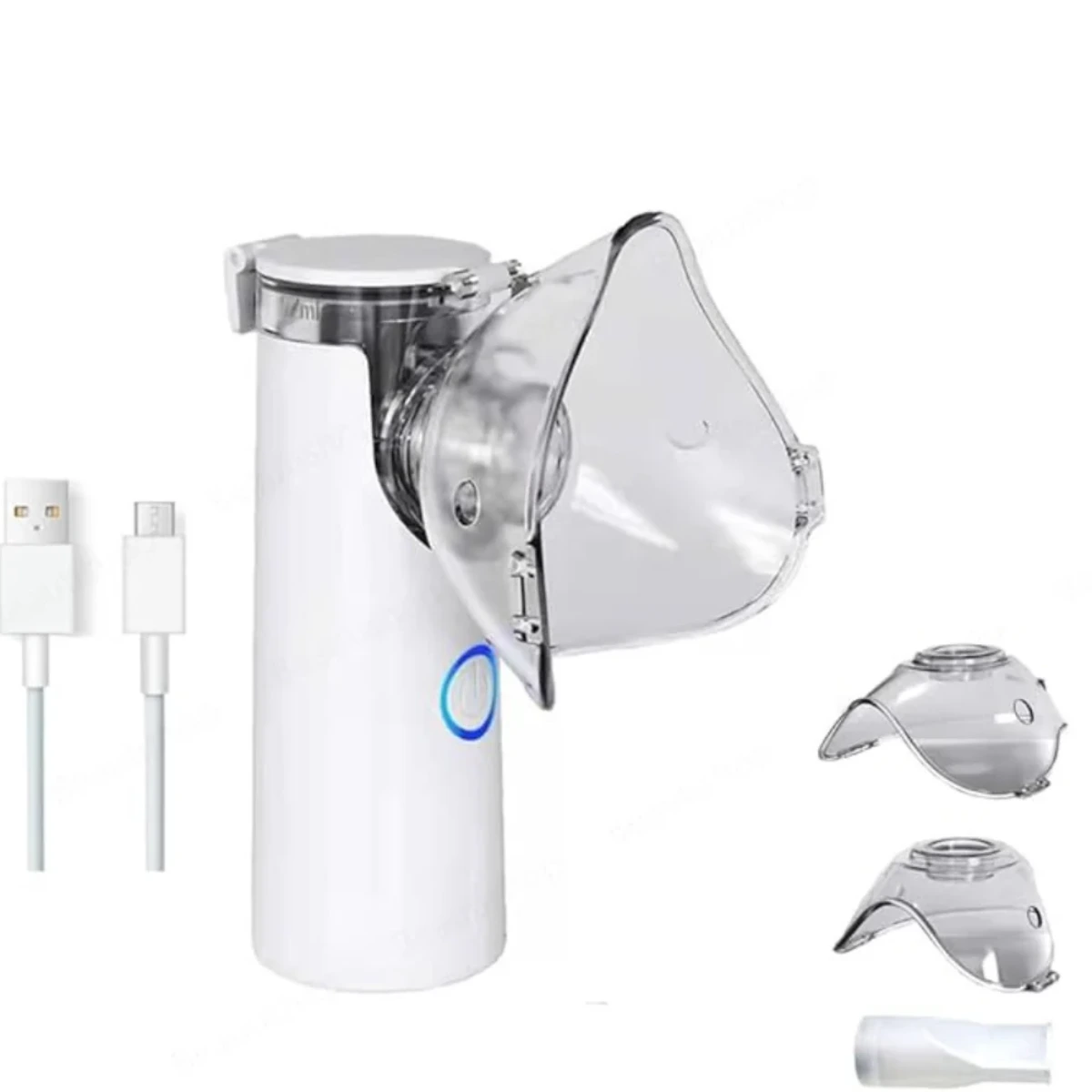
This is where the LifeCare Direct Cell Portable Mesh Nebulizer shines. Operating at under 25 dB—quieter than a whispered conversation—parents can gently place the soft pediatric mask over a sleeping baby’s nose and mouth without waking them.
Particle Size (MMAD): Deep Pulmonary Penetration
Effective asthma treatment depends on Mass Median Aerodynamic Diameter (MMAD). Aerosol particles larger than 5 micrometers get trapped in the mouth and throat, causing hoarseness without treating lung inflammation.
A high-quality vibrating mesh produces ultra-fine droplets between 2.5 and 3.5 μm. These micro-droplets glide effortlessly through the upper trachea and settle directly into the inflamed bronchioles and alveoli for rapid bronchospasm relief.
Load-Shedding & Travel: Battery Backup Advantage
In Pakistan, sudden power outages (load-shedding) are a frequent reality. If an asthma attack strikes during a blackout, a standard AC 220V compressor machine is completely useless unless you have a heavy UPS or generator running.
Handheld mesh nebulizers operate seamlessly on two standard AA alkaline batteries or connect directly to any mobile power bank via USB. You can keep one in your glove box, child’s school bag, or travel suitcase with complete peace of mind.
Cleaning and Mesh Care Best Practices
While mesh devices offer unbeatable convenience, they require delicate cleaning. Because the titanium mesh contains microscopic pores, never poke the membrane with pins, toothpicks, or cotton buds, as this permanently damages the vibration plate.
- Rinse Immediately: Run warm distilled water through the medicine cup for 60 seconds after every session.
- Air Dry Naturally: Disassemble the mask and cup, allowing them to dry on clean paper towels.
- Weekly Acetic Soak: Soak the cup in a solution of 1 part white vinegar to 3 parts distilled water to dissolve mineral deposits.
Final Buying Verdict for Pakistan
For busy parents, frequent travelers, and elderly patients, the portable mesh nebulizer is the undisputed modern champion. It is quiet, portable, operates during power outages, and provides superior pulmonary delivery.
However, for clinics, intensive care facilities, or heavy viscous antibiotic suspensions, a heavy-duty piston compressor machine remains a sturdy workhorse.
Ready to safeguard your family’s respiratory health? Explore our full collection of certified Respiratory & Nebulizer Machines in Pakistan with official manufacturer warranties and fast nationwide shipping.
Frequently Asked Questions (FAQs)
What is the portable mesh vs compressor nebulizer price difference in Pakistan?
In Pakistan, quality portable mesh nebulizers range between PKR 3,800 and PKR 5,500, which is comparable to or often more affordable than heavy piston compressor units priced between PKR 4,500 and PKR 7,500.
Can I use thick steroid suspensions in a portable mesh nebulizer?
Most standard respiratory medications like Ventolin and saline work exceptionally well in mesh nebulizers. For thick suspension medications like Budesonide (Pulmicort), make sure to clean the mesh cup immediately after use with warm water to prevent pore clogging.
How long do batteries last in a portable mesh nebulizer?
Two standard AA alkaline batteries typically deliver between 60 and 90 minutes of continuous nebulization—equivalent to 6 to 8 complete treatments. The device can also run indefinitely when plugged into a USB phone charger or power bank.