

- Personalized Testing Schedules: Matching Treatment Regimens
- Master Daily Testing Timepoints & Target Blood Sugar Ranges
- The Post-Prandial Timer: Why the 2-Hour Clock Starts at the First Bite
- Ramadan Roza Guidelines: Safe Glucose Monitoring Schedule
- Smart Strip Management: How to Optimize Testing Expenses
- Frequently Asked Questions (Testing Schedule FAQs)
How Often Should a Diabetic Check Blood Sugar Daily? Complete Pakistan Schedule
Following a diabetes diagnosis in Pakistan, patients are almost always handed a prescription for a glucometer and test strips. Yet very few receive clear, actionable instructions on when and how often to prick their fingers. Some anxious patients test 6 times a day, exhausting expensive strip supplies within two weeks; others test once every two weeks, missing dangerous glycemic rollercoasters entirely.
Testing blood sugar without a structured clinical schedule is like driving a car while opening your eyes for only one second every ten miles. An individualized, goal-oriented daily testing regimen provides your endocrinologist with actionable trends to adjust your oral medications or insulin dosages safely.
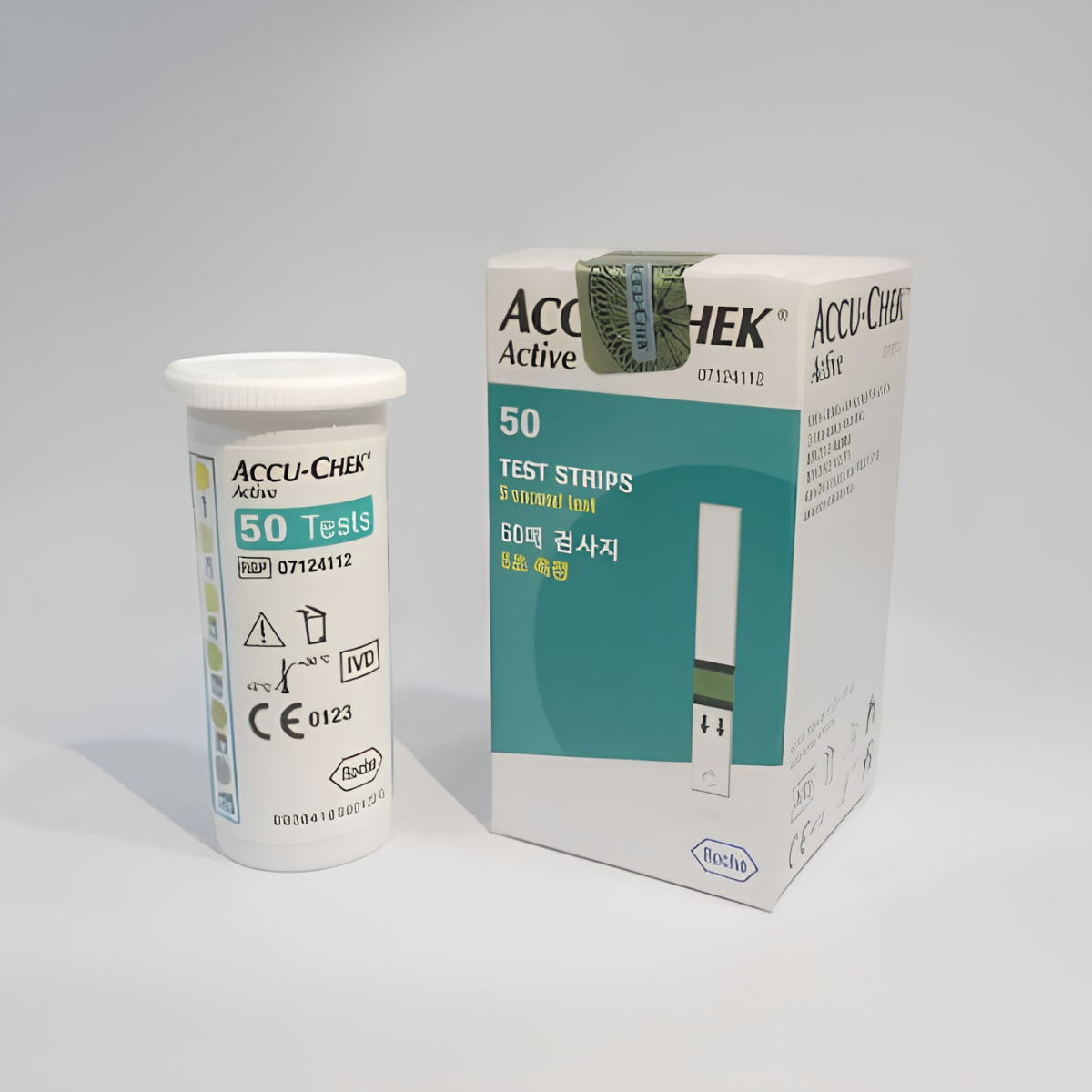
Genuine blood glucose monitoring strips at Civil Surgical Pakistan
1. Personalized Testing Schedules: Matching Treatment Regimens
How often you should test depends entirely on your medical therapy category:
- Type 1 Diabetics & Intensive Insulin Therapy: Mandatory 4 to 7 times daily (fasting, before every main meal, before exercise, and at bedtime).
- Type 2 Diabetics on Basal/Bolus Insulin: Recommended 3 to 4 times daily to prevent nocturnal hypoglycemia and calculate meal boluses.
- Type 2 Diabetics on Oral Hypoglycemic Tablets (Metformin, Empagliflozin, Sitagliptin): Recommended 1 to 2 times daily on a staggered schedule (e.g. Day 1: Fasting; Day 2: Post-Lunch; Day 3: Post-Dinner).
- Diet-Controlled Prediabetes: Testing 2 to 3 times per week to track lifestyle interventions.
2. Master Daily Testing Timepoints & Target Blood Sugar Ranges
The table below summarizes clinical timepoints and optimal Pakistani targets:
| Test Timepoint | When to Perform Test | Target Range (Diabetic Adult) | Clinical Significance |
|---|---|---|---|
| Fasting (Morning) | Immediately upon waking (8-10 hrs fast) | 80 to 130 mg/dL | Reflects overnight hepatic liver glucose release |
| Pre-Meal (Prandial) | Right before lunch or dinner | 80 to 130 mg/dL | Guides pre-meal insulin dosage calculation |
| Post-Meal (2 Hours) | Exactly 2 hours after your FIRST bite | Under 180 mg/dL | Measures body’s response to roti/rice carb loads |
| Bedtime | Before sleeping (at night) | 100 to 140 mg/dL | Prevents nocturnal 3:00 AM hypoglycemia |
3. The Post-Prandial Timer: Why the 2-Hour Clock Starts at the First Bite
One of the most widespread testing mistakes is starting the 2-hour timer when the meal ends. If a family dinner lasts 45 minutes and you wait 2 hours after finishing, you are actually testing nearly 3 hours post-intake, completely missing the peak glycemic surge.
Set your phone timer for exactly 2 hours from the moment you take your very first bite of food. This captures the peak post-prandial glucose excursion.
4. Ramadan Roza Guidelines: Safe Glucose Monitoring Schedule
Pakistani diabetics observing holy fasts during Ramadan must monitor glucose proactively. Pricking your finger for a blood glucose test does NOT break your fast according to unanimous consensus from Islamic scholars and medical authorities.
- Crucial Ramadan Test Times: Pre-Suhoor, Midday (12:00 PM), Pre-Iftar (the highest-risk window for hypoglycemia), and 2 hours post-Iftar.
- Mandatory Fast-Breaking Rule: If your blood sugar drops below 70 mg/dL at any time, or surges above 300 mg/dL with signs of ketoacidosis, Islamic medical ethics mandate that you must break your fast immediately with glucose and water to protect your life.
5. Smart Strip Management: How to Optimize Testing Expenses
To keep testing affordable without compromising health:
- Use a “Paired Testing” Strategy: Test fasting + post-breakfast on Mondays, pre-lunch + post-lunch on Wednesdays, and pre-dinner + post-dinner on Fridays. This 6-strip weekly pattern reveals complete 24-hour profiles while consuming fewer than 25 strips per month.
- Choose verified value-per-strip systems like CareSens N or Accu-Chek available with fresh manufacturing batches at Civil Surgical.
6. Frequently Asked Questions (Testing Schedule FAQs)
Q1: How many times a day should a Type 2 diabetic check their blood sugar in Pakistan?
A: For Type 2 diabetics on oral medications, testing 1 to 2 times daily on a staggered schedule is typically sufficient. Patients on insulin require 3 to 4 tests daily.
Q2: What is the most important time to check blood sugar?
A: Fasting morning blood sugar and 2-hour post-prandial sugar after your largest carbohydrate meal are the two most clinically critical data points for monitoring glycemic control.
Q3: What is the ‘Dawn Phenomenon’ in morning blood sugar?
A: The Dawn Phenomenon is a natural early-morning rise in blood sugar triggered by cortisol and glucagon release that prompts the liver to release stored glucose into the bloodstream.
Q4: How should blood sugar be tested during Ramadan fasting?
A: Test Pre-Suhoor, Midday, Pre-Iftar, and 2 hours after Iftar. Pricking your finger does NOT break your fast. If sugar drops below 70 mg/dL, break the fast immediately.
Shop genuine diabetes test strips, meters, and sterile lancets with guaranteed batch freshness at Civil Surgical Pakistan.