

- The Dynamic Nature of Blood Pressure: Beat-to-Beat Fluctuations
- The Arterial Rebound Effect: Why Back-to-Back Tests Fail
- Top 7 Home Error Triggers & Impact on Numbers (mmHg Matrix)
- White Coat Hypertension vs Masked Hypertension in Pakistan
- The Standardized Clinical 5-Step Home Testing Protocol
- Frequently Asked Questions (Fluctuation FAQs)
Why Digital BP Monitors Show Different Readings: Troubleshooting Inaccuracies at Home
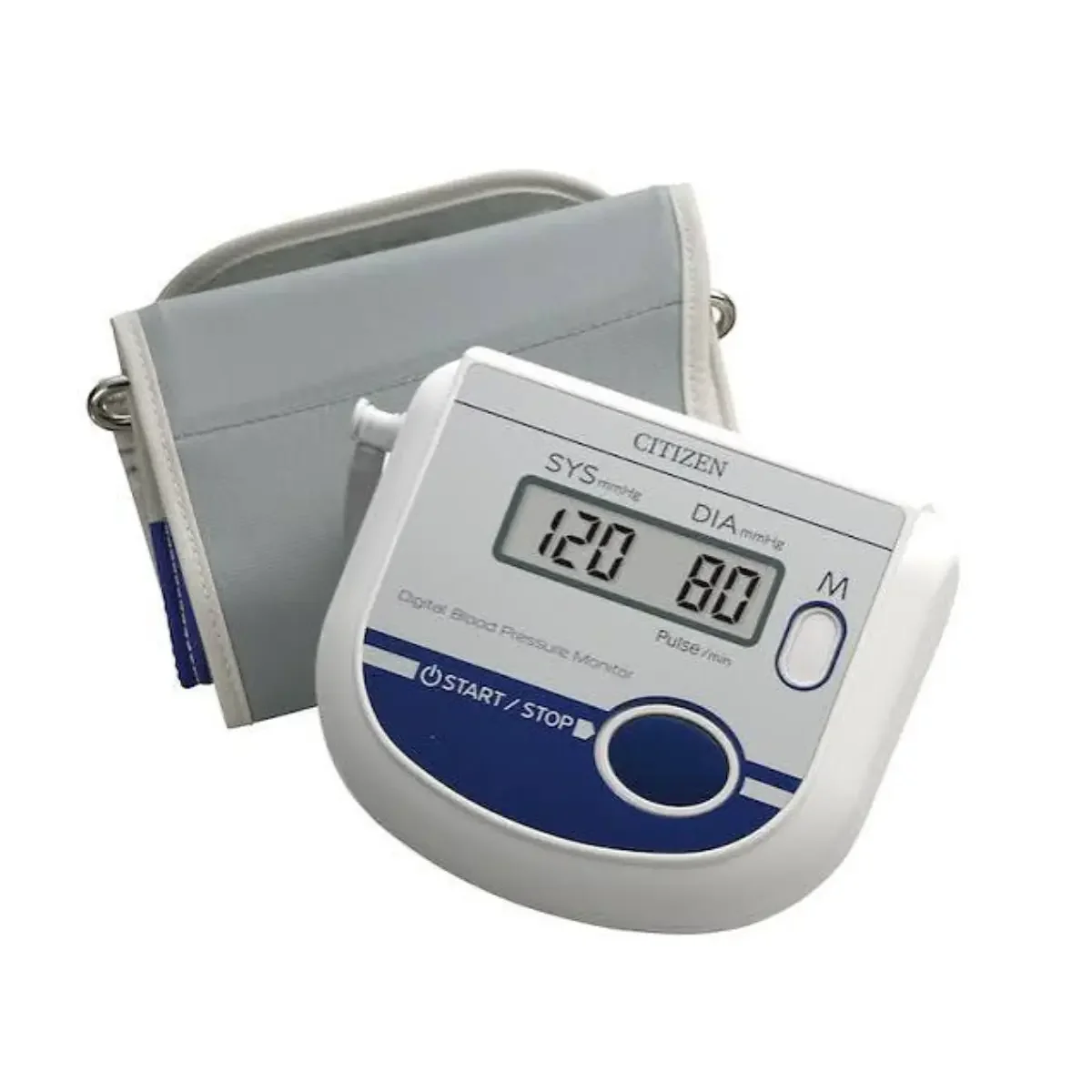
Every single day in Pakistan, hypertensive patients experience deep frustration with their home blood pressure machines. You sit down, wrap the cuff, press START, and the machine displays 142/88 mmHg. Feeling anxious, you immediately press START again 30 seconds later, only for the screen to read 132/82 mmHg. Ten minutes later, a third test reads 148/92 mmHg.
Patients instinctively conclude: “Meri machine kharab hai, alag alag reading dikha rahi hai” (My machine is broken; it shows different readings). In reality, in over 95% of cases, the digital monitor is functioning with textbook micro-sensor accuracy. The issue is that human blood pressure is not a static number like your height; it is a dynamic physiological wave that changes with every single heartbeat.
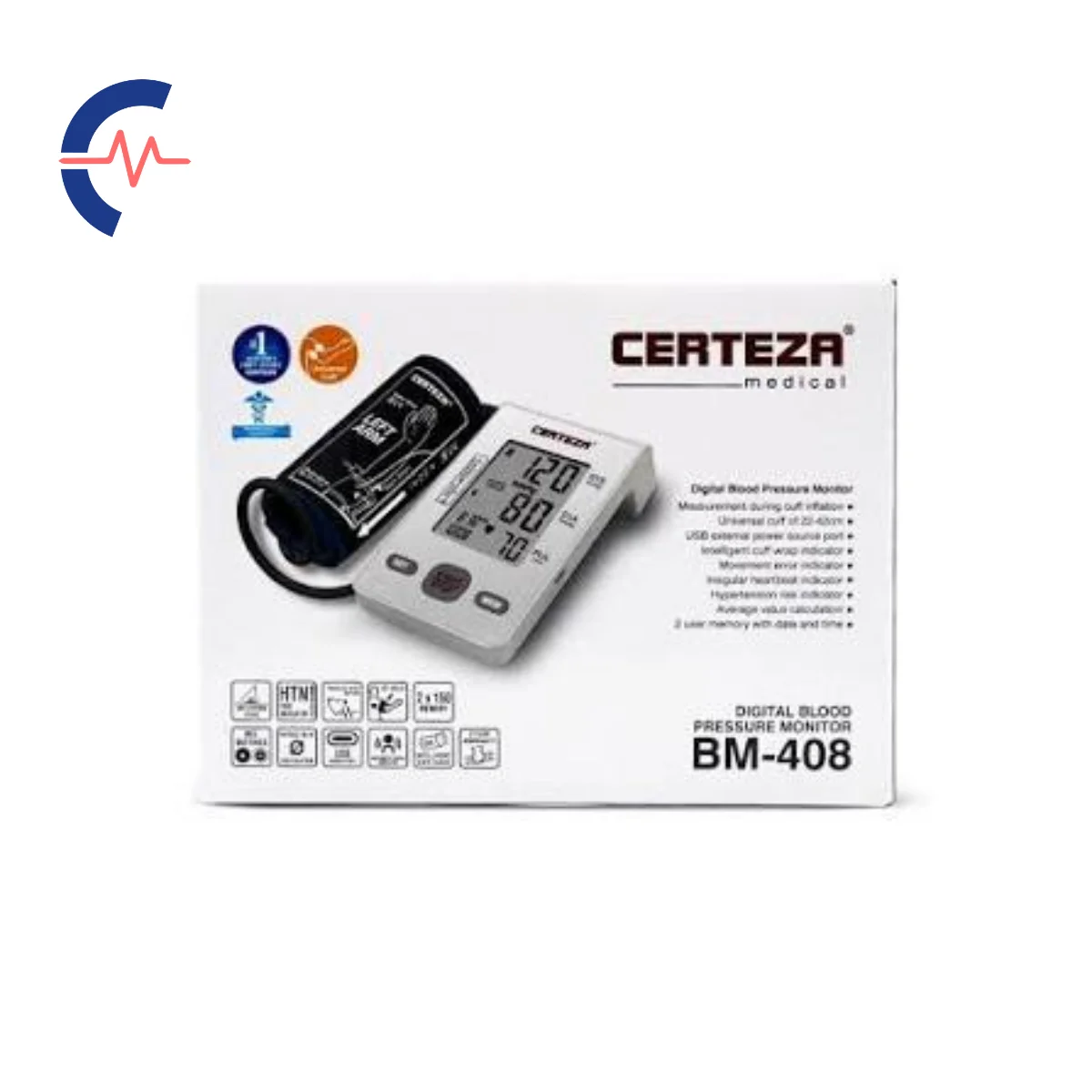
Clinically validated Certeza digital monitors with smart inflation at Civil Surgical Pakistan
1. The Dynamic Nature of Blood Pressure: Beat-to-Beat Fluctuations
Your cardiovascular system constantly adapts to internal and external metabolic demands. When you take a deep breath, swallow hot chai, hear an unexpected door knock, or worry about a bill, your autonomic nervous system instantly alters arterial vascular tone.
A natural fluctuation of 8 to 15 mmHg systolic within a single hour is completely healthy and expected. Expecting a digital machine to output the exact same numbers on consecutive tests is physiologically impossible.
2. The Arterial Rebound Effect: Why Back-to-Back Tests Fail
The single greatest operational mistake made by home users is repeating a test immediately without resting. When the cuff inflates to 180 mmHg, it completely occludes the brachial artery, cutting off blood flow to the lower arm for 30 to 45 seconds. Capillary beds dilate in response to temporary hypoxia.
If you press START again immediately, you are testing a congested, collapsed arterial segment that has not yet restored normal tone. This arterial rebound effect causes consecutive readings to swing erratically. You must always wait at least 2 to 3 minutes between tests on the same arm to allow venous blood to clear.
3. Top 7 Home Error Triggers & Impact on Numbers (mmHg Matrix)
The table below reveals how common home habits distort readings:
| Common Home Testing Mistake | Physiological / Mechanical Mechanism | Impact on Systolic Reading (mmHg) |
|---|---|---|
| Full Bladder | Sympathetic nervous system arousal | +10 to +15 mmHg Falsely High |
| Talking / Answering Phone | Vocal cord vibration & emotional focus | +8 to +12 mmHg Falsely High |
| Arm Hanging Down at Side | Hydrostatic fluid column pressure | +8 to +10 mmHg Falsely High |
| Crossed Legs at Knees | Compressed peripheral pelvic veins | +4 to +8 mmHg Falsely High |
| Cuff Placed Over Kurta Sleeve | Fabric muffles oscillometric pulse wave | +10 to +40 mmHg Erratic Shift |
| Recent Tea (Chai) or Smoking | Caffeine / Nicotine acute vasoconstriction | +5 to +15 mmHg Falsely High |
| Weak Alkaline Batteries | Pump motor lags during linear deflation | Unpredictable Error Codes (E-1, E-3) |
4. White Coat Hypertension vs Masked Hypertension in Pakistan
Many patients note that their blood pressure reads 150/95 mmHg in the clinic, but stays 125/80 mmHg at home. This is White Coat Syndrome—an involuntary surge of adrenaline triggered by the clinical setting. Home monitoring over 7 consecutive days provides a far more accurate representation of true cardiovascular health than a single stressful clinic reading.
5. The Standardized Clinical 5-Step Home Testing Protocol
- Empty your bladder and avoid tea, coffee, or cigarettes for 30 minutes prior.
- Sit in a quiet room for a full 5 minutes of silence before testing, with your back supported and feet flat on the floor.
- Rest your bare arm on a table so the cuff aligns with your heart.
- Take Reading #1 and write it down. Wait 2 full minutes.
- Take Reading #2. Average the two readings for your true clinical baseline.
6. Frequently Asked Questions (Fluctuation FAQs)
Q1: Why does my second blood pressure reading always differ from the first?
A: Repeating a test immediately without waiting compresses an artery that has not recovered normal tone. Waiting 2 to 3 minutes allows normal vascular blood flow to restore.
Q2: How much blood pressure variation is normal throughout the day?
A: It is completely normal for systolic blood pressure to fluctuate by 10 to 20 mmHg throughout the day in response to physical activity, stress, hot tea, and posture.
Q3: Does having a full bladder affect blood pressure readings?
A: Yes. A full bladder triggers sympathetic nervous system arousal, which can falsely elevate systolic blood pressure by 10 to 15 mmHg. Always empty your bladder before testing.
Q4: Why is blood pressure often higher at the doctor’s clinic than at home?
A: This common phenomenon is ‘White Coat Syndrome’, where patient anxiety in clinical settings releases adrenaline, elevating clinic readings by 15 to 30 mmHg above true calm home baselines.
Eliminate Blood Pressure Reading Errors: Recommended Calibrated Equipment
If your current machine shows wild fluctuations, a worn-out cuff bladder, depleted batteries, or uncalibrated sensors are often the culprit. Civil Surgical supplies hospital-verified devices with verified clinical accuracy:
- Fix Cuff Leaks & Wrong Sizing: 80% of false readings stem from an improper cuff. Replace your worn cuff with a Standard Replacement Adult BP Arm Cuff (24–32cm) with airtight D-ring seal.
- Fuzzy-Logic Intelligent Inflation: Upgrade to the clinically validated Omron M1 Basic Automatic BP Monitor with irregular heartbeat alert.
- Doctor Gold-Standard Auscultation: For zero digital sensor drift, choose the mechanical Master Original Manual Aneroid BP Apparatus paired with a Medicare Dual-Head Stethoscope.
Explore our full range of certified Blood Pressure Monitors in Pakistan.