

- The H. Pylori Epidemic in Pakistan: Transmission Routes
- Recognizing the Classic Warning Signs of Peptic Colonization
- Diagnostic Testing Methods Compared: Stool Antigen vs Blood vs Endoscopy
- Pakistani Dietary Management: Healing the Gastric Mucosa
- Standard Triple/Quadruple Eradication Therapy Overview
- Frequently Asked Questions (H. Pylori FAQs)
H. Pylori Infection Symptoms in Pakistan: Causes, Diet & Rapid Testing Guide
Gastric acidity, heartburn, and burning stomach discomfort (mede ki jalan) are among the most widespread everyday complaints in Pakistan. Millions of individuals chronically self-medicate with over-the-counter antacid syrups, sodium bicarbonate packets, or proton pump inhibitors (such as Omeprazole) without realizing that their burning stomach is not just “spicy food acidity”—it is a bacterial infection caused by Helicobacter pylori.
H. pylori is a corkscrew-shaped bacterium uniquely adapted to survive the harsh hydrochloric acid environment of the human stomach. Left undiagnosed and untreated, chronic H. pylori infection causes deep peptic ulcers, chronic atrophic gastritis, and dramatically increases the lifetime risk of gastric adenocarcinoma (stomach cancer). Rapid diagnostic screening allows Pakistani patients to identify the pathogen and achieve complete eradication.

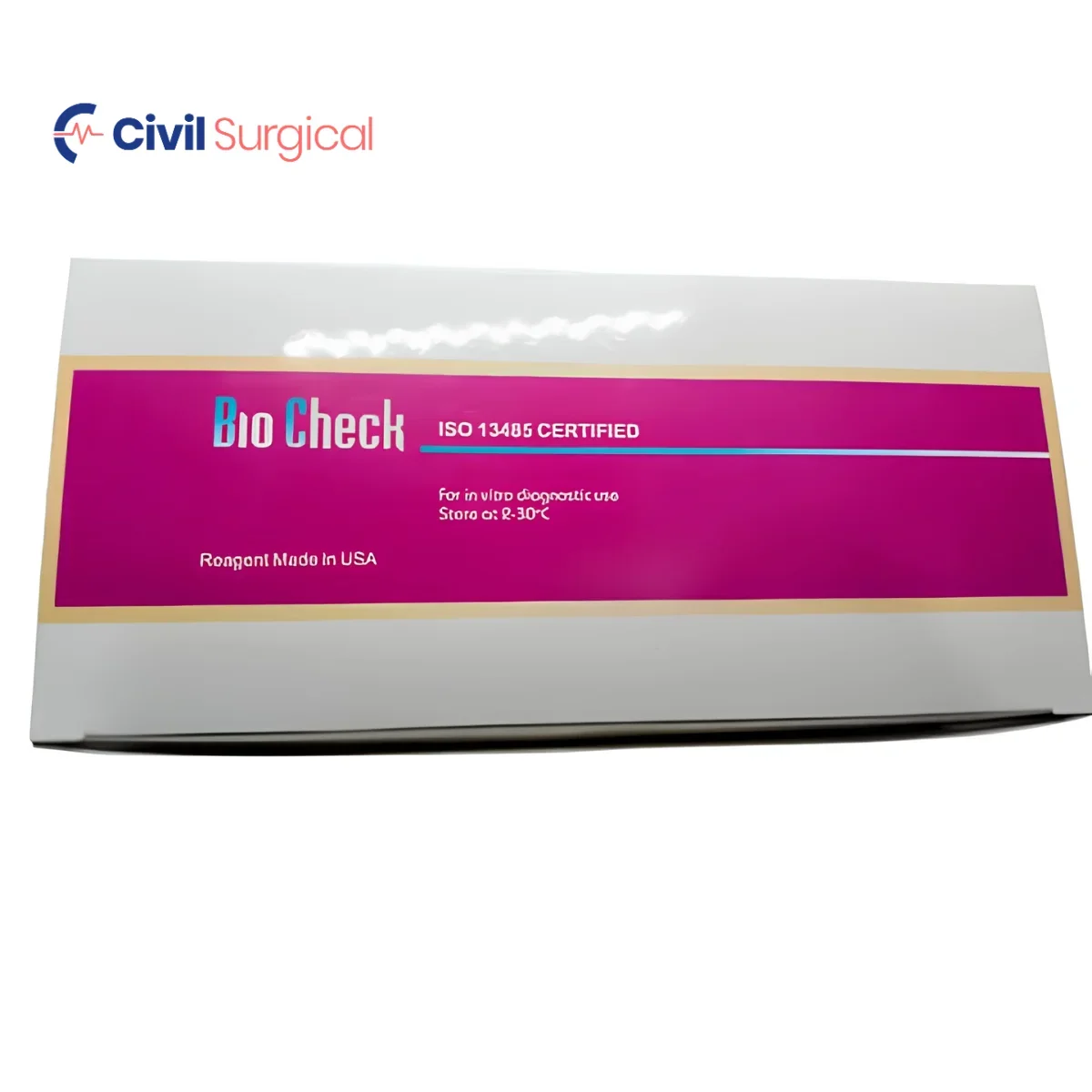
Hospital-grade rapid diagnostic test kits at Civil Surgical Pakistan
1. The H. Pylori Epidemic in Pakistan: Transmission Routes
Gastroenterological studies show that between 50% and 75% of the Pakistani population carries H. pylori. The bacteria spreads primarily through the fecal-oral and oral-oral routes:
- Contaminated municipal drinking water lacking chlorination.
- Unwashed fresh vegetables irrigated with untreated agricultural wastewater.
- Unsanitary street food stalls and shared drinking glasses.
- Close intra-family transmission during early childhood through shared utensils.
2. Recognizing the Classic Warning Signs of Peptic Colonization
H. pylori burrows deep into the mucosal gel layer lining the stomach wall, secreting an enzyme called urease that converts urea into alkaline ammonia, neutralizing stomach acid around the bacterial colony. This protective bubble damages the stomach lining, leaving it exposed to its own digestive acids:
- Epigastric Burning Pain: A gnawing, burning ache located just beneath the sternum. Pain often worsens when the stomach is empty (between meals or at 2:00 AM) and temporarily improves after drinking milk or taking an antacid.
- Post-Meal Bloating & Early Satiety: Feeling uncomfortably stuffed after eating only a few bites of roti.
- Persistent Acid Reflux & Sour Belching: Frequent regurgitation of sour acid into the mouth.
- Unexplained Nausea & Loss of Appetite.
3. Diagnostic Testing Methods Compared: Stool Antigen vs Blood vs Endoscopy
Choosing the right diagnostic modality is critical to avoid false results:
| Test Method | What It Detects | Accuracy for ACTIVE Infection | Invasiveness & Cost |
|---|---|---|---|
| Stool Antigen Rapid Cassette | Live bacterial proteins shed in feces | 95% – 98% (High) | Non-invasive, fast 15-min result (PKR 450 – 850) |
| Blood Serology (Antibody) | IgG antibodies against H. pylori | Poor (Cannot distinguish past vs active) | Blood draw (Frequently misleading) |
| Urea Breath Test (UBT) | Carbon isotopes converted by urease | 95% – 99% (Gold Standard) | Non-invasive, expensive (PKR 4,500 – 7,500) |
| Endoscopy Biopsy (RUT) | Direct histological tissue biopsy | 99% (Definitive anatomical view) | Invasive hospital procedure (PKR 15,000+) |
4. Pakistani Dietary Management: Healing the Gastric Mucosa
During active H. pylori infection and antibiotic treatment, adjust your culinary habits:
- Avoid: Red chili powder (laal mirch), black pepper, deep-fried samosas and pakoras, carbonated soft drinks, pickles (achaar), and heavy black tea (chai) on an empty stomach.
- Beneficial Foods: Fresh plain yogurt (curd/dahi contains natural lactobacillus probiotics that inhibit bacterial colonization), cabbage juice (rich in glutamine which heals mucosal linings), and light khichdi.
5. Standard Triple/Quadruple Eradication Therapy Overview
H. pylori cannot be cured with simple antacids alone. Complete eradication requires a strict 14-day prescription medical regimen prescribed by a physician, typically combining:
- A high-potency Proton Pump Inhibitor (PPI) like Esomeprazole twice daily.
- Two targeted antibiotics (such as Clarithromycin + Amoxicillin, or Metronidazole + Tetracycline).
- Bismuth subsalicylate in resistant cases.
- Never stop antibiotics early, as premature discontinuation creates highly resistant superbug strains.
6. Frequently Asked Questions (H. Pylori FAQs)
Q1: How common is H. Pylori infection in Pakistan?
A: Epidemiological studies indicate that between 50% and 75% of the Pakistani adult population is infected with H. pylori bacteria, largely contracted through contaminated municipal water and street food.
Q2: What are the classic symptoms of an H. Pylori stomach infection?
A: Classic symptoms include burning epigastric stomach pain (especially between meals or at night), severe acid reflux, early satiety, frequent belching, and post-meal abdominal bloating.
Q3: Which test is best for diagnosing active H. Pylori at home in Pakistan?
A: The H. Pylori Stool Antigen (HpSA) rapid cassette test is the gold standard rapid screening method for detecting active, live bacterial colonization, offering over 95% accuracy.
Q4: Why is an H. Pylori blood antibody test often misleading?
A: Blood antibody tests detect antibodies that can remain present in the bloodstream for months or years after the bacteria have already been successfully eradicated, resulting in false-positive active diagnoses.
Explore certified in-vitro rapid diagnostic cassettes and clinical laboratory supplies at Civil Surgical Pakistan.