

Log Your Blood Pressure & Pulse in Real Time (Digital Monitor LCD)
Record Systolic (اوپر والا), Diastolic (نیچے والا), and Pulse (BPM) with live American Heart Association (AHA) category alerts, multi-profile tracking for parents, and clean unbranded OPD Doctor PDF reports.
- Decoding the Numbers: What Systolic & Diastolic Really Mean
- Clinical Blood Pressure Classification Stages (AHA Guidelines)
- Isolated Systolic Hypertension in Pakistani Elders
- Pulse Pressure & Resting Heart Rate: The Hidden Risk Factors
- Emergency Triage: Recognizing a True Hypertensive Crisis
- Frequently Asked Questions (BP Reading FAQs)
How to Read Blood Pressure Numbers at Home: Systolic vs Diastolic in Pakistan
In Pakistan, where over 33% of the adult population suffers from hypertension, millions of households now keep a digital blood pressure monitor on their bedroom side table. Yet every day, panicked patients phone their physicians or rush to neighborhood clinics because they do not know how to interpret the numbers flashing on their LCD screen.
Does a reading of 135/85 mmHg mean you are having a stroke? What does it mean when an elderly grandfather’s top number is 160 mmHg but his bottom number is only 75 mmHg? Understanding the physiological mechanics behind systolic and diastolic pressures eliminates unnecessary panic while ensuring timely medical intervention when genuine hypertensive emergencies occur.
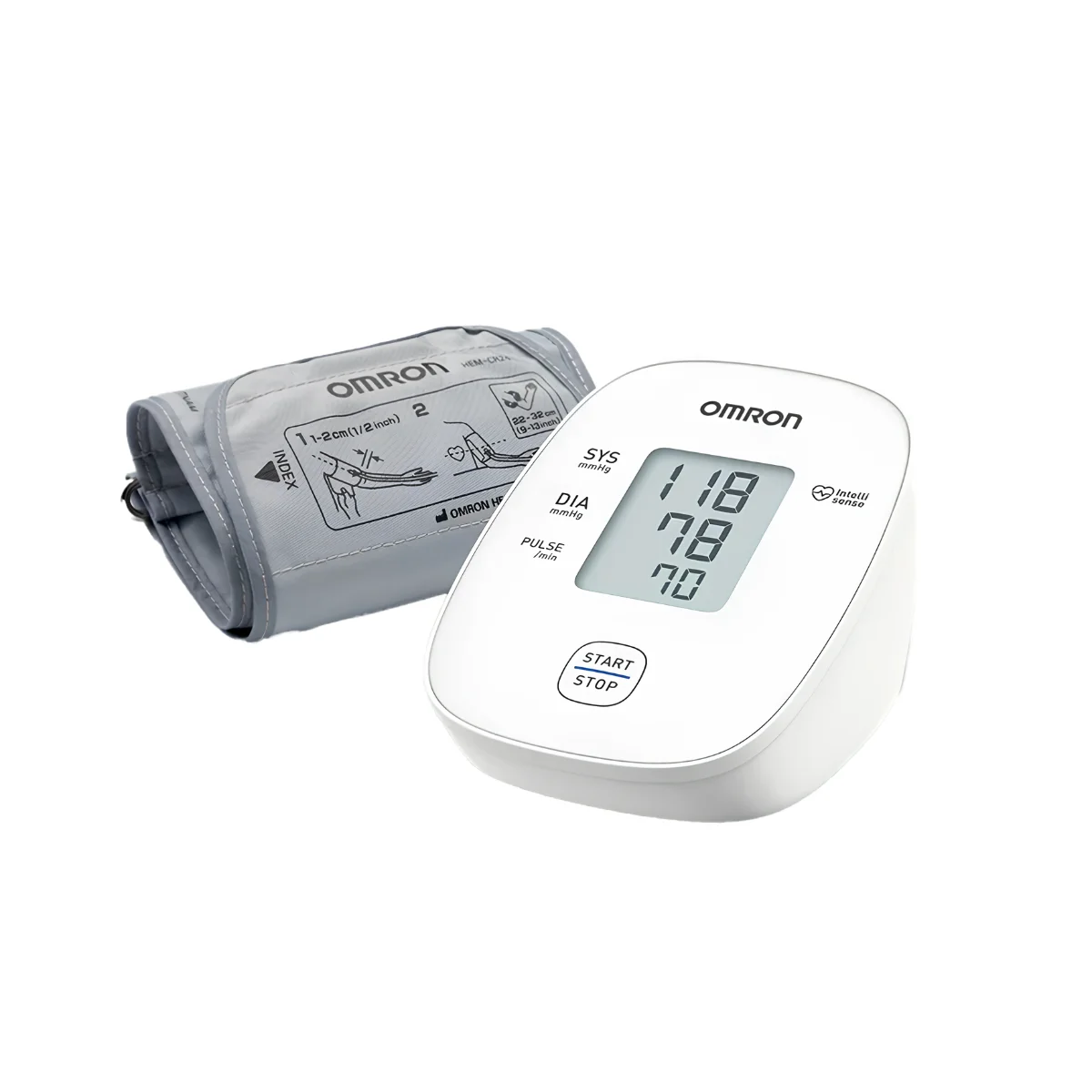
Clinically validated Omron digital blood pressure monitors at Civil Surgical Pakistan
1. Decoding the Numbers: What Systolic & Diastolic Really Mean
Blood pressure readings are expressed as two numbers measured in millimeters of mercury (mmHg), written as a fraction (e.g. 120/80 mmHg):
- The Top Number (Systolic Pressure): Represents the maximum peak pressure exerted against the walls of your systemic arteries when your heart’s left ventricle contracts and forcefully ejects oxygenated blood into the aorta. It reflects arterial resistance, cardiac contractility, and vascular elasticity.
- The Bottom Number (Diastolic Pressure): Represents the minimum residual resting pressure in your arteries when the heart relaxes between beats to refill with blood before the next pump.
- Pulse Rate (BPM): The third smaller number displayed at the bottom of digital monitors indicates your resting heart rate in beats per minute (normal: 60 to 100 bpm).
2. Clinical Blood Pressure Classification Stages (AHA Guidelines)
Evaluate your home blood pressure readings against the international clinical standards set by the American Heart Association and Pakistan Hypertension League:
| BP Category | Systolic mmHg (Upper) | And / Or | Diastolic mmHg (Lower) | Recommended Action |
|---|---|---|---|---|
| Normal | Under 120 mmHg | AND | Under 80 mmHg | Maintain healthy diet & exercise |
| Elevated | 120 to 129 mmHg | AND | Under 80 mmHg | Reduce salt, reduce chai, walk daily |
| Stage 1 Hypertension | 130 to 139 mmHg | OR | 80 to 89 mmHg | Doctor consult for lifestyle / medication |
| Stage 2 Hypertension | 140 mmHg or higher | OR | 90 mmHg or higher | Prescription antihypertensive therapy |
| Hypertensive Crisis | Higher than 180 mmHg | AND/OR | Higher than 120 mmHg | EMERGENCY ROOM VISIT IMMEDIATELY |
3. Isolated Systolic Hypertension in Pakistani Elders
In patients over 60 years old in Pakistan, monitors frequently display readings like 165/75 mmHg. This is known as Isolated Systolic Hypertension (ISH). As arteries age, elastica fibers are replaced by rigid collagen, causing arterial stiffening. The aorta cannot expand to cushion the systolic pulse wave, shooting the upper number high while the bottom resting number remains normal or even drops. ISH is the single strongest predictor of stroke in elderly patients and must be treated with calcium channel blockers or diuretics prescribed by a physician.
4. Pulse Pressure & Resting Heart Rate: The Hidden Risk Factors
Subtracting your diastolic number from your systolic number yields your Pulse Pressure (e.g. 120 minus 80 = 40 mmHg). A normal pulse pressure is between 30 and 50 mmHg. A widened pulse pressure (>60 mmHg) indicates stiffened major arteries and increased cardiovascular event risk, while a narrow pulse pressure (<25 mmHg) suggests low stroke volume or severe aortic valve stenosis.
5. Emergency Triage: Recognizing a True Hypertensive Crisis
If your blood pressure reads over 180/120 mmHg, rest quietly for 5 minutes and test again on the other arm. If it remains elevated and is accompanied by any of the following acute symptoms, call an ambulance or proceed to the ER immediately:
- Crushing chest pain, tightness, or pressure.
- Sudden slurred speech, facial drooping, or unilateral arm/leg weakness (acute stroke signs).
- Sudden severe, blinding headache unlike anything experienced before.
- Blurred vision, double vision, or sudden loss of sight.
- Severe shortness of breath with frothy sputum coughing.
6. Frequently Asked Questions (BP Reading FAQs)
Q1: What is the difference between systolic and diastolic blood pressure?
A: The upper number (systolic) measures the pressure in your arteries when your heart contracts and pumps blood. The lower number (diastolic) measures the arterial pressure when your heart rests between beats to refill with blood.
Q2: What is considered a dangerous blood pressure reading in Pakistan?
A: A reading exceeding 180 mmHg systolic or exceeding 120 mmHg diastolic indicates a Hypertensive Crisis requiring immediate emergency medical evaluation to prevent acute stroke or cardiac arrest.
Q3: What is Isolated Systolic Hypertension (ISH) in elderly Pakistani patients?
A: Isolated Systolic Hypertension is common in adults over 60, where systolic pressure is elevated (>140 mmHg) while diastolic remains normal or low (<80 mmHg) due to age-related arterial stiffness.
Q4: Which arm should you use for taking blood pressure at home?
A: When first testing, measure blood pressure in both arms. In subsequent home tests, always use the arm that consistently produced the higher reading (typically the left arm in most individuals).
Doctor-Recommended Blood Pressure Monitors in Pakistan
Whether you prefer automated one-touch digital testing or clinical manual auscultation, Civil Surgical supplies 100% authentic, laboratory-calibrated sphygmomanometers with official warranties:
- Automatic Digital Precision: Order the Omron M1 Basic Automatic BP Monitor with Japanese IntelliSense technology or the dual-user Certeza BM 408 Digital BP Monitor.
- Clinical Gold Standard Manual: Physicians and clinic OPDs rely on the Master Original Manual Aneroid BP Apparatus paired with a Medicare Dual-Head Stethoscope.
- Arm Cuff Replacements: Need a fresh adult cuff? Ensure maximum accuracy with a Standard Replacement Adult BP Arm Cuff (24–32cm).
Explore all models in our Hypertension & BP Monitors Collection.