

- The Economics of Daily Diabetes Monitoring in Pakistan
- Head-to-Head Technical Comparison: CareSens N vs UCheck
- Enzyme Chemistry: GDH-FAD vs GOD Biosensors
- Preserving Test Strips in Pakistan’s Extreme Summer Climate
- How to Spot Counterfeit Glucose Strips in Local Markets
- Frequently Asked Questions (Diabetic Strip FAQs)
CareSens N vs UCheck Glucose Test Strips: Accuracy, Compatibility & Price in Pakistan
With over 33 million citizens diagnosed with diabetes, Pakistan currently holds the unenviable global title for the highest percentage of diabetic adults. For these millions of families, daily blood glucose monitoring is an essential medical survival task. However, when purchasing a glucometer, the initial cost of the device is negligible compared to the recurring monthly cost of test strips.
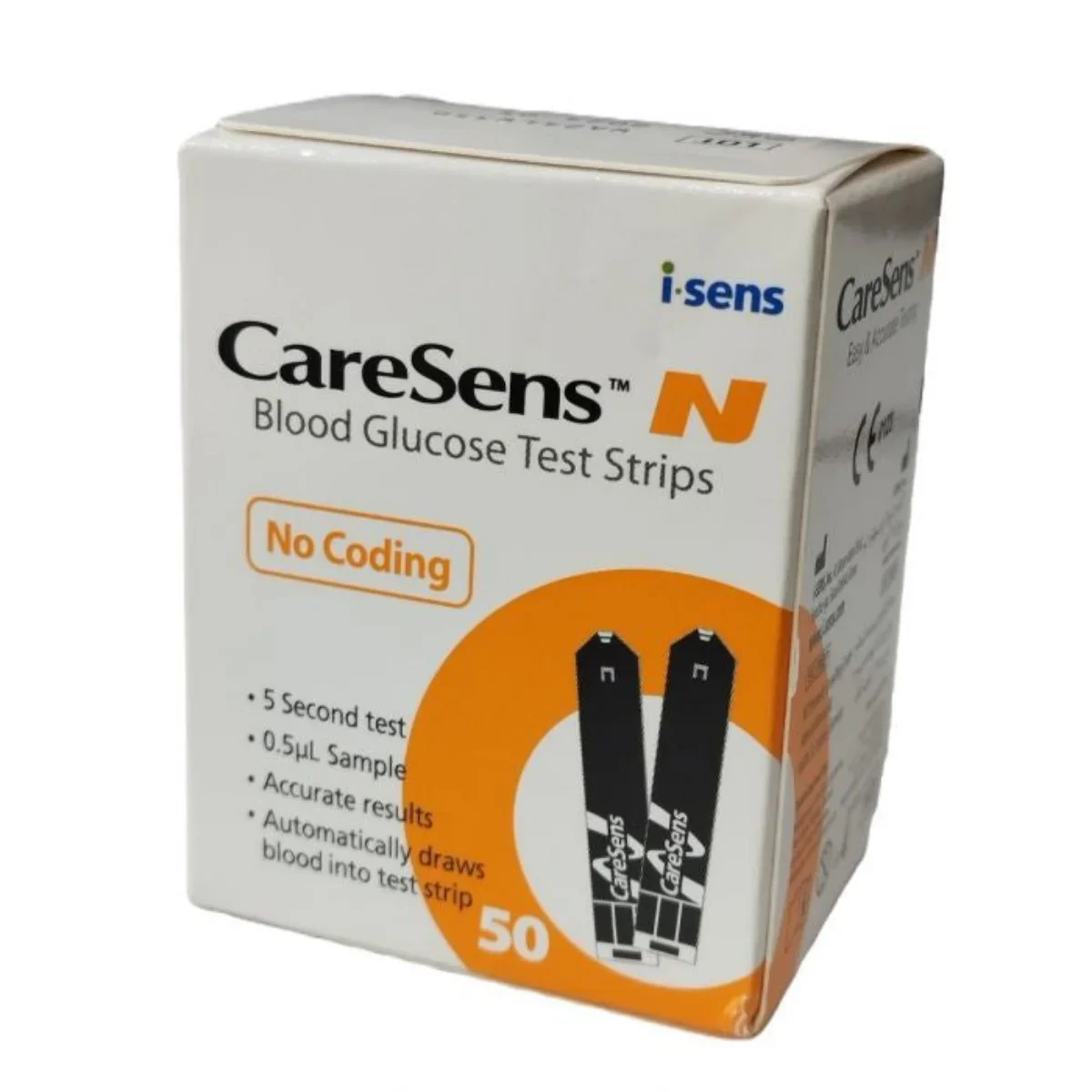
Two of the most widely distributed, high-demand blood glucose test strips across Pakistani medical pharmacies and clinics are CareSens N (manufactured by i-SENS Korea) and UCheck. Both brands promise hospital-grade precision and affordable per-strip costs. In this detailed comparative review, we evaluate their biosensor chemistry, sample requirements, and real-world affordability.
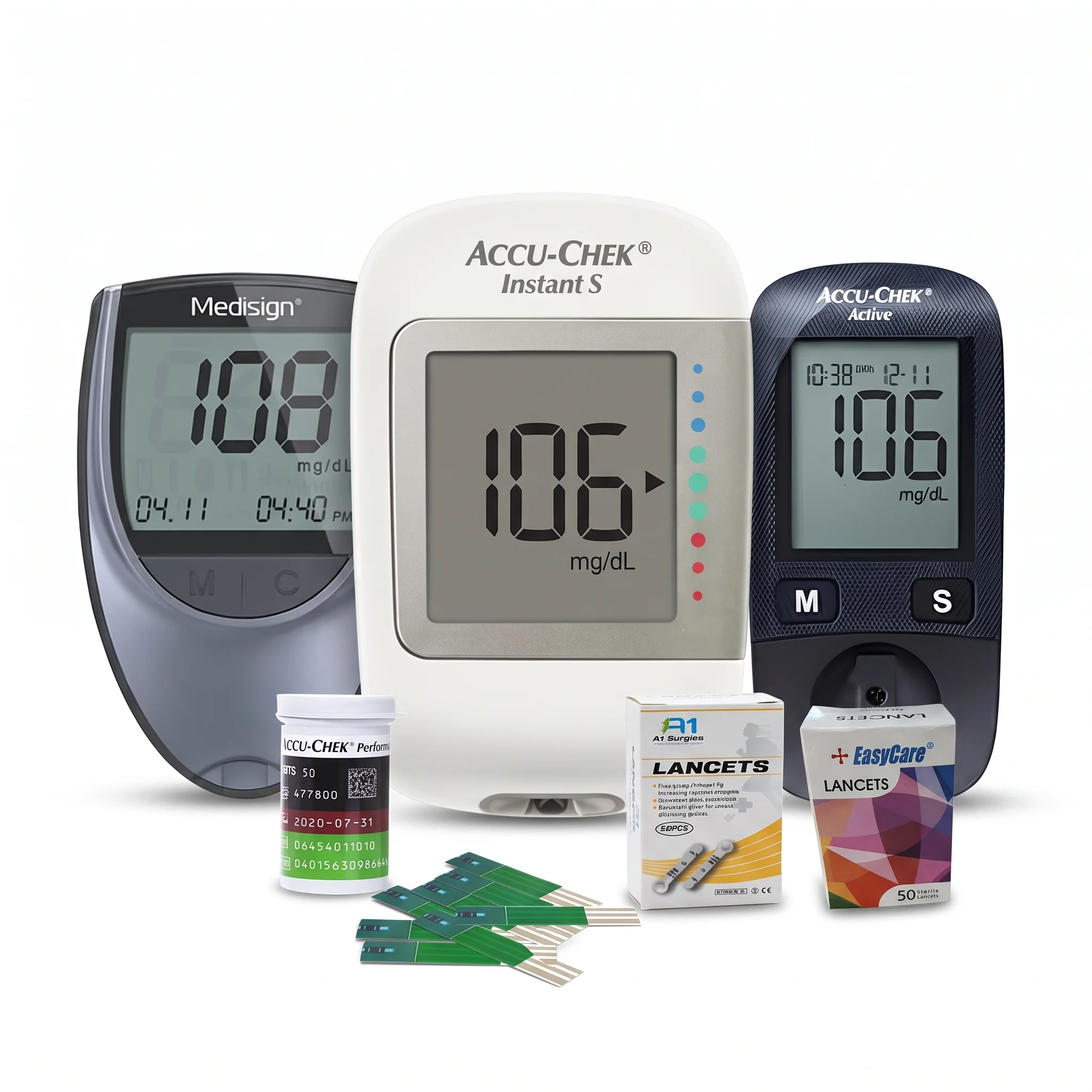
Genuine blood glucose monitoring strips at Civil Surgical Pakistan
1. The Economics of Daily Diabetes Monitoring in Pakistan
A type 1 diabetic or insulin-dependent type 2 diabetic in Pakistan tests their blood sugar between 2 and 4 times daily (fasting, pre-meal, post-prandial, and bedtime). Over a year, this amounts to 700 to 1,400 test strips. If an expensive European brand charges PKR 75 per strip, annual expenses reach an overwhelming PKR 105,000. By comparison, choosing a reliable, globally certified alternative like CareSens N (approx. PKR 38 to 44 per strip) slashes testing costs by nearly 50% while delivering identical ISO 15197:2013 clinical precision.
2. Head-to-Head Technical Comparison: CareSens N vs UCheck
The following comparison matrix breaks down vital specifications for Pakistani home users:
| Specification / Feature | CareSens N Test Strips | UCheck Test Strips |
|---|---|---|
| Country of Origin | South Korea (i-SENS) | China / Taiwan Standards |
| Blood Sample Volume | 0.5 μL (Tiny micro-droplet) | 0.7 μL |
| Test Duration | 5 Seconds | 6 to 8 Seconds |
| Calibration Coding | Auto-Coding (No chip needed) | Auto-Coding (No chip needed) |
| Hematocrit Range | 15% to 65% (Anemia safe) | 20% to 60% |
| Average Price (Pack of 50) | PKR 1,850 – PKR 2,300 | PKR 1,450 – PKR 1,900 |
3. Enzyme Chemistry: GDH-FAD vs GOD Biosensors
CareSens N utilizes GDH-FAD (Glucose Dehydrogenase Flavine Adenine Dinucleotide) biosensor enzyme technology. This modern chemical formulation has no oxygen interference, meaning whether a patient has high or low arterial blood oxygen (such as during chronic respiratory illness or high altitude in northern Pakistan), the glucose reading remains stable.
Furthermore, CareSens N requires only 0.5 microliters of blood—scarcely larger than a pinhead. This allows elderly diabetics with calloused fingertips to use shallower, painless lancet settings, drastically improving testing compliance.
4. Preserving Test Strips in Pakistan’s Extreme Summer Climate
Blood glucose test strips contain delicate biochemical enzymes that degrade rapidly when exposed to humidity and heat exceeding 30°C.
- Immediate Resealing: Remove a single strip and snap the plastic vial cap shut within 3 seconds. Leaving the lid open lets atmospheric humidity destroy the desiccant lining.
- Never Freeze: Do not store test strip vials in refrigerators or freezers; internal condensation upon opening destroys the enzyme.
- Keep Out of Cars: Leaving a strip vial inside a parked car in Karachi, Lahore, or Multan will heat the strips above 55°C, permanently ruining accuracy.
5. How to Spot Counterfeit Glucose Strips in Local Markets
Due to huge demand, counterfeit test strips circulate in unauthorized wholesale markets. Counterfeits produce wildly fluctuating numbers that can lead to fatal insulin overdosing. Always verify:
- Official hologram seal on the box opening.
- Matching LOT number and Expiry Date printed on both the outer cardboard box and the inner plastic vial.
- Purchase exclusively from verified medical distributors like Civil Surgical Pakistan with direct importer supply chains.
6. Frequently Asked Questions (Diabetic Strip FAQs)
Q1: Are CareSens N test strips compatible with UCheck meters?
A: No. Blood glucose test strips are brand-proprietary. CareSens N test strips only work in CareSens N and CareSens N Voice meters, while UCheck strips only function in UCheck glucometer consoles.
Q2: What is the average price of CareSens N strips in Pakistan?
A: A box of 50 CareSens N blood glucose test strips typically costs between PKR 1,750 and PKR 2,300 in Pakistan, offering exceptional per-strip value for daily testing.
Q3: Do CareSens N or UCheck test strips require manual code chips?
A: No. Both systems feature modern Auto-Coding technology, automatically calibrating each strip upon insertion to eliminate coding errors.
Q4: How should blood glucose test strips be stored in Pakistan’s summer weather?
A: Store strips between 2 deg C and 30 deg C in their original vial with the cap sealed immediately after taking a strip. Never keep strips inside a car glove compartment, bathroom, or deep freezer.
Shop genuine CareSens N glucose test strips and diabetes monitoring supplies at Civil Surgical Pakistan with fast nationwide dispatch.